An artist friend had this found object, this fascinating piece of wood that I was keen to recontextualize. The text (Her ancient decks were worn and wrinkled, like the pilgrim-worshipped flag-stone in Canterbury Cathedral where Becket bled.) comes from Herman Melville's, 1851 book 'Moby Dick'. I thought of the square of wood coming perhaps from a boat of some sort. Having the weathering akin to being at sea and eventually finding itself ashore somewhere. Blood stained.
I wished to build around its possible history and its travels. After some consideration the thrust for me was being on death (memento mori) and religion, with the text coming from Moby Dick.
Death here not just of the thousands of whales killed for their oil and bone, or of Becket at Canterbury but also of the Piquot tribe. Melville calling the Nantucket whaling ship in Moby Dick Pequod referencing them. The native American Piquot tribe, in the 17th century fought the Puritan settlers after a dispute, hundreds were killed, decimating the tribe with many survivors subsequently enslaved. Death too of the crew that the text foretells. Many whaling ships and their crew's lost their lives in pursuit of the whale and also from the treacherous seas they encountered while months at sea.
Melville worked on a whaling ship (the Acushnet) and was an experienced sailor before turning to writing. Moby Dick in many respects recalls that life on a whaling ship.
Religion; the Catholicism of Becket, the Puritan settlers, the Quakers who owned many of the whaling fleets but also the Transcendentalist interpretation of Moby Dick itself.
The image is made like an illustration from a textbook. Giving weight to the object, like some unique find, a relic, awaiting perhaps future academic forensic study and analysis. And more stories.


 A birthday wander on the 24th to a favourite spot on Craig Fonvuick above Killiekrankie, up from Tenandry. In part for the view but also to see if there were any Scotch Argus butterflies out and about. It was a glorious warm blue sky day, just perfect. In all I spotted 22 Scotch Argus and added three Speckled Wood as well, these I hadn't come across before.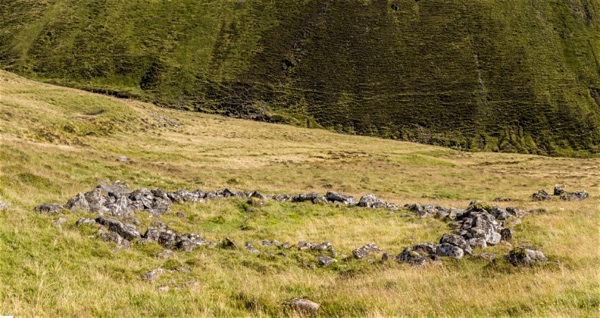


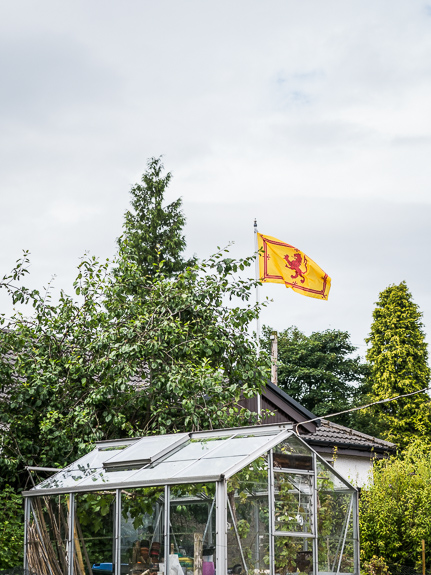

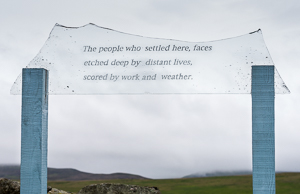






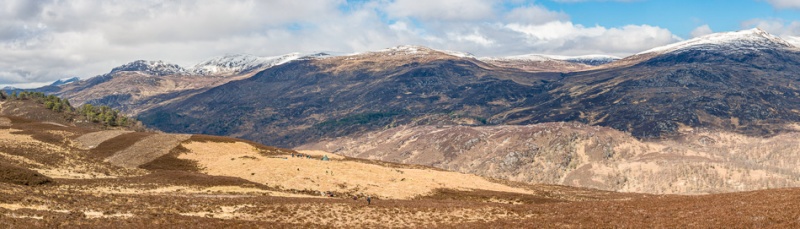
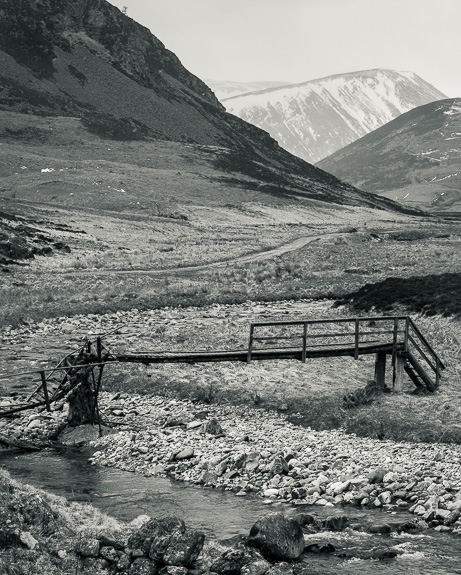 at Auchaven, at the head of Glen Isla there was little to be seen today. A few passing snow flurries but that was it. However back home and at a much lower level it started snowing fairly heavily come the evening. So I suspect Auchaven and Glen Isla will be a lot worse and now very white. The farmers will be frantic making sure the lambs are safe.